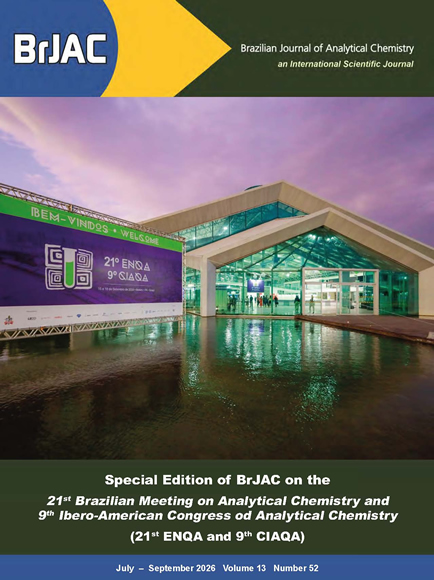




Volume: 13

Issue: 52

Contents:

This Special Issue of BrJAC is dedicated to the 21st ENQA and the 9th CIAQA. It includes an Editorial by Prof. Kelly G. F. Dantas (UFPA), Prof. Josué C. C. Santos (UFAL), and Prof. Wendell K. T. Coltro (UFG); an Interview with Prof. Orlando Fatibello Filho (UFSCar); two Points of View, one by Prof. Renato Zanella (UFSM) and the other by Prof. Cassiana C. Montagner (UNICAMP); a Letter by Prof. Maria Montes-Bayón et al. (UO); and nine research articles. Readers will also find features on Pittcon 2026, sponsor reports and releases, book notices, and a calendar of events.

Read more

Editorial


21st ENQA & 9th CIAQA: First Edition Held in Northern Brazil

Prof. Kelly G.F. Dantas
Full Professor at the Federal University of Pará, Brazil
Prof. Josué C.C. Santos
Associate Professor at the Federal University of Alagoas, Brazil
Prof. Wendell K.T. Coltro
Full Professor at the Federal University of Goiás, Brazil

“Following twenty previous editions held in other regions of the country, the 21st ENQA & 9th CIAQA represented an important milestone for science in Northern Brazil. Hosting the event in this region was fundamental to promoting inclusion and reducing inequalities in access to scientific activities. Furthermore...”

Read more

Interview


Professor Orlando Fatibello Filho kindly granted an interview to BrJAC

Orlando Fatibello Filho
Full Professor at the Federal University of São Carlos, SP, Brazil

“Modern chemistry increasingly overlaps with fields such as biology, physics, materials science, and data science, so developing a broad scientific perspective can be a major advantage.”

Read more

Points of View


Advances in Ibero-American Analytical Chemistry

Prof. Renato Zanella
Full Professor at the Federal University of Santa Maria, RS, Brazil

“The state of Analytical Chemistry in Latin America is marked by significant growth, with a strong focus on areas such as environmental monitoring, agribusiness, and food quality control. (…) Despite these advances, the region still faces challenges, including the need for long-term sustainable investment, overcoming bureaucratic obstacles, and modernizing infrastructure in less developed areas. Cooperation among research groups in Ibero-America can be an effective way to promote the advancement of analytical chemistry in a broad and sustainable way.”

Read more


Microplastics: A Complex Research Field for Analytical Chemistry?

Prof. Cassiana C. Montagner
Associate Professor at the University of Campinas, SP, Brazil

“In 2005, I began my master’s project evaluating endocrine-disrupting compounds in surface waters. This was among the first studies on emerging contaminants in Brazil, aligning with the strong international trend in Environmental Chemistry. Since then, I have closely followed the evolution of this field both in our country and worldwide. (…) concerns about microplastic contamination are driving innovation across disciplines, propelling scientific advancement on a global scale, with Analytical Chemistry playing a crucial role in this science. Thus, the complexity of the topic also represents an opportunity to further explore new analytical methodologies across different scientific fields.”

Read more

Letter


Mass Spectrometric Platforms to Study Cisplatin Resistance in Cell Models and Alternative Nano-Delivery Systems

Prof. María Montes-Bayón et al.
Full Professor at the University of Oviedo, Spain

“The positive chemotherapeutic effect of cisplatin in most cancers is hampered by the inherent and acquired drug resistance, a multifactorial and still not well characterized process. Several mechanisms have been suggested to participate in conferring platinum-resistant properties to a tumor cell that need to be carefully studied in order to provide therapeutic alternatives. In this letter, two different aspects were covered: the evaluation of molecular mechanisms to address cisplatin resistance by the use of combined multi-strategy platforms based on mass spectrometry and the search for therapeutic alternatives to enhance efficacy and selectivity of cisplatin based on the use of nanotransporters. The two approaches will be briefly covered from the point of view of the analytical chemistry contribution.”

Read more

Articles

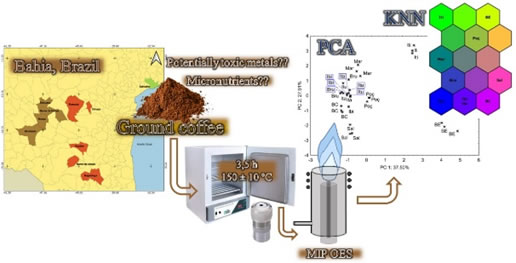
Multivariate Assessment of Ground Coffee Samples from Bahia, Brazil on the Basis of Mineral Composition

Brandão, N. S.; da Rocha, P. C.; Amazonas, V. M.; Rocha, W. S.; Nascimento, N. A.; dos Santos, M. J. S.; Silva, A. G.; da Silva, E. G. P.; Bezerra, M. A.; Novaes, C. G.

This study determined metals in ground coffee samples from different producing regions in Bahia and used Principal Component Analysis (PCA) and Kohonen neural networks as multivariate techniques to assess sample similarity based on their mineral composition. The samples were prepared using a decomposition method with dilute acid and hydrogen peroxide in a closed system under high pressure. Microwave Induced Plasma Optical Emission Spectrometry (MIP OES) was used to quantify the elements Al, Co, Cr, Cu, Fe, Mn, Ni, V and Zn. For all samples, the elements with the highest concentrations were Mn, Fe, Al, Zn and Cu; and the lowest concentrations were obtained for the elements Cr, Ni, Co and V. The results of this study provide and aggregate relevant nutritional information about coffee produced in the Southwest and Chapada Diamantina regions of Bahia.

Read more
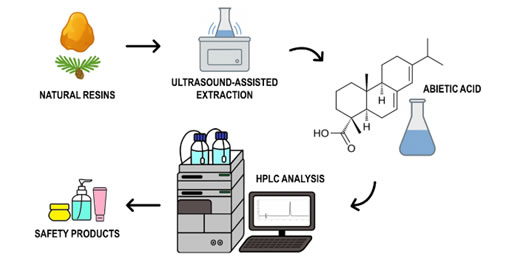
The Determination of Abietic Acid in Natural Resins and their Derived Products Using Assisted Ultrasonic Sample Preparation and Analysis by Liquid Chromatography

Thais Fukui de Sousa, Daniela Daniel

This study focused on the development and validation of a method for determining abietic acid in natural resins and derivatives products using High-Performance Liquid Chromatography with spectrophotometric detection. A Pursuit PFP column (150 mm x 4.6 mm, 5.0 μm) was used to separate the abietic acid from others matrix compounds, using methanol: formic acid 0.1% (75:25) as mobile phase in isocratic elution mode at a flow rate of 0.7 mL min-1. The sample analysis volume was set at 10 μL and the abietic acid was detected at a wavelength of 245 nm. The samples were prepared by ultrasonic assisted approach. The developed method showed a good linearity of the calibration curve with determination coefficient equal to 0.999. Validation parameters such as accuracy, precision, specificity, detection and quantitation limits, recovery and matrix effect were evaluated and displayed excellent reliability, validity and sensitivity. This method proved to be efficient to identify and quantify abietic acid in natural resins and its derivatives used as raw materials for cosmetic products.

Read more

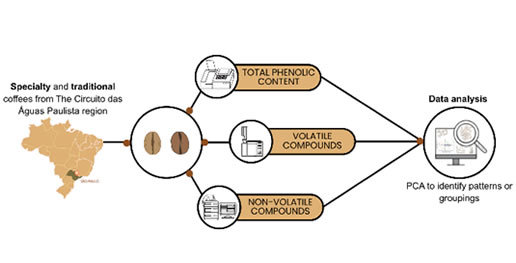
Evaluation of Volatile and Non-Volatile Compounds in Specialty and Traditional Coffees from the “Circuito das Águas Paulista” Region

Bruna Luiza Duarte Guedes, Winston P. C. Gomes, Gabriela Maria R. N. de Alcantara, Gisele G. Bortoleto, Wanessa R. Melchert

Coffee, renowned for its aroma and flavor, ranks second in global consumption. Key compounds in coffee beans significantly influence their sensory properties in green and roasted forms. Brazil, a leading coffee producer and exporter, benefits from the adaptability of coffee plants due to its diverse geographical features. The Circuito das Águas Paulista region, in particular, provides an ideal environment for high-quality coffee cultivation, producing coffees that surpass the 80-point threshold needed to attain specialty coffee status. This study evaluated 17 roasted Coffea arabica samples: 12 from the 2020/2021 harvest (six specialty and six traditional) and 5 from the 2022/2023 harvest. Chemical composition was assessed using UV-Vis spectrophotometry, HPLC, GC-FID, and chemometric tools. Total phenolic content, measured by the Folin-Ciocalteu method, ranged from 3371 to 3968 mg GAE/100 g. Caffeine and chlorogenic acid contents (507–1006 mg/100 g and 453–1004 mg/100 g, respectively) were determined by HPLC. Volatile compounds such as diacetyl (37.01–108.28 µg/100 g) and 2-methylpyrazine (2.41–3.38 µg/100 g) were quantified by GC-FID with headspace sampling. Significant differences were found between specialty and traditional coffees, particularly in diacetyl, which was more abundant in specialty samples and may act as a marker. Principal Component Analysis effectively distinguished the two groups, with 2-methylpyrazine playing a key role in traditional coffees. Comparison between harvests revealed notable variations in caffeine, gallic acid, chlorogenic acid, 3,4-dihydroxybenzoic acid, and 2-methylpyrazine, suggesting that environmental conditions, such as frost, can affect coffee chemistry and quality. The analytical advance of this work resides in the integration of complementary analytical techniques with chemometric analysis, providing a robust approach to discriminate coffee categories and evaluate environmental influences on their chemical composition.

Read more

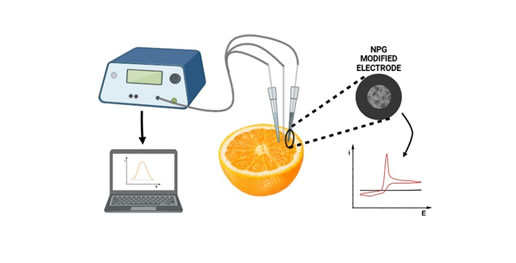
Fabrication of an Electrochemically Synthesized Nanoporous Gold Electrode for In-Situ Ascorbic Acid Determination in Fruit Samples

Eduarda S. S. Seixas, Pedro Henrique A. Damasceno, Gilberto José Silva Junior, Mauro Bertotti

In this report, we present the development of a nanoporous gold (NPG) modified electrode fabricated through a mold-assisted electrodeposition technique, wherein a gold film was deposited onto a gold microfiber substrate. This modified electrode was subsequently employed for the in-situ determination of ascorbic acid (AA) in orange and lime juice samples. The NPG-modified electrode exhibited a high edge density, which contributes to an enhanced electrochemically active surface area, promoting a favorable electrocatalytic effect for the anodic oxidation of AA and resulting in a significantly lowered oxidation potential. Differential pulse voltammetry (DPV) measurements revealed a detection limit of 10 µmol L-1 and a quantification limit of 30 µmol L-1. The NPG-modified electrode demonstrated outstanding analytical performance, displaying both high sensitivity and selectivity for AA determination in a complex matrix (orange and lime juice). The voltammetric data were corroborated with coulometric experiments, further validating the reliability of the electrochemical determination of AA using the NPG-modified electrode. Thus, this work highlights the potential of this novel electrochemical sensor, presenting a straightforward and efficient approach for NPG sensor fabrication, and underscoring its substantial promise for in-situ analytical applications.

Read more

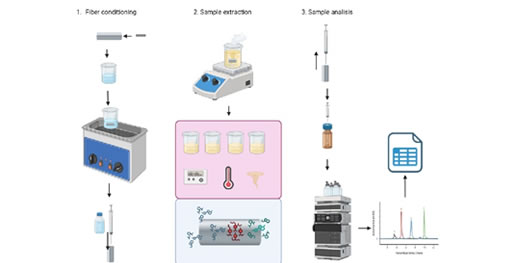
Analysis of Benzodiazepines in Urine Samples by Solvent Bar Microextraction using HPLC-UV

Viviana Andrea Morales-Sanchez, Wilson Largo-Taborda, Eleazar Vargas-Mena, Carlos Moreno, Milton Rosero-Moreano

The identification of benzodiazepines (BZDs) in forensic samples has become a significant focus globally due to their increasing abuse in recent years. These compounds are readily assimilated by the body, leading to their increased use not only as over-the-counter medication but also in drug-facilitated sexual assaults. Consequently, this study investigated the behavior of selected BZDs in aqueous and spiked urine samples. Following method validation, real forensic urine samples were analyzed. To achieve this, a hollow fiber solvent bar microextraction (SBME) method was developed and optimized for the analysis of carbamazepine, nitrazepam, temazepam, and diazepam. The methodology involved the evaluation of factors such as microextraction time, temperature, agitation speed, and salt concentration. The optimization of the microextraction method was performed using a one-variable-at-a-time (OVAT) approach with an N + (N-1) design, considering each treatment with its respective replicates and the concentrations of the four standards. The optimal conditions for SBME were determined to be a temperature of 30 °C, a stirring speed of 400 rpm, a microextraction time of 30 min, and a salt concentration of 10% w/v.

Read more

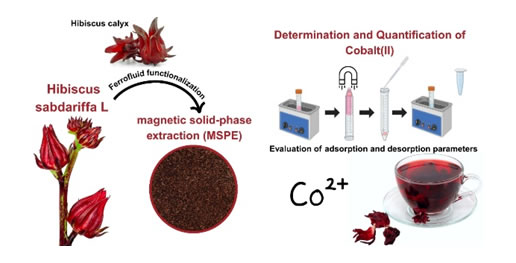
Hibiscus sabdariffa calyces: Evaluation of use in a Magnetic Solid Phase Extraction System for Cobalt Ions Preconcentration

Ana A. Silva, Eduarda G. Santana, Weida R. Silva, Amanda G. Barbosa, James M. Silva, Vanessa N. Alves

Cobalt (Co) is an industrially important metal, and its determination at low concentrations is essential due to its biological and toxicological relevance, requiring sensitive analytical methods, often involving preconcentration steps. The magnetic solid phase extraction (MSPE) becomes an efficient and sustainable alternative. In this study, a method based on MSPE was developed for the extraction and preconcentration of cobalt ions in aqueous systems, with determination by flame atomic absorption spectrometry, using the calyces of the Hibiscus sabdariffa flower, after a magnetization process. The material was prepared by washing and magnetization with iron oxide nanoparticles. Energy dispersive X-ray fluorescence (EDXRF) characterization confirmed the high incorporation of iron (≈88%), and X-ray diffraction (XRD) indicated the presence of magnetite/hematite. The pH at the point of zero charge (pHPZC) increased from 2.0 (natural hibiscus) to 3.0 (magnetized). The percentage of Co(II) adsorption was significantly higher for the magnetized material at pH 7 and 8 (≈57–58% of extraction). The MSPE conditions were optimized using factorial design and Doehlert matrix, defining the adsorbent mass (≈51 mg), contact time (≈7.5 min), and eluent (0.1 mol L⁻¹ HCl). The developed method showed a linear range of 0.440–10.0 mg L-1 (r = 0.990), with a detection and quantification limit of 0.132 mg L-1 and 0.440 mg L-1, respectively. Recovery tests in aqueous samples (coconut water, swimming pool water, tap water, calcium-rich hard water, and cachaça—a Brazilian spirit distilled from sugarcane juice) showed variable recoveries (47.3% to 118%), indicating that accuracy is matrix-dependent, with challenges observed in complex samples (calcium-rich hard water and cachaça). The proposed method, using a low-cost, natural, and magnetized adsorbent, shows potential for the determination of Co(II), particularly in simpler matrices, aligning with the principles of green analytical chemistry.

Read more

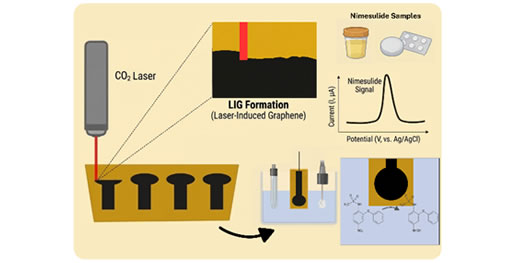
Laser-Induced Graphene Sensor for Electrochemical Determination of Nimesulide

Fróz, M. K. V. C.; Ferreira, D. C. M.; Garcez, M. B.; Diniz, G. C.; Guterres e Silva, L. R.; Stefano, J. S.; Tanaka, A. A.; da Silva, I. S.; Dantas, L. M. F.

Nimesulide (NMS) is a sulfonamide-class non-steroidal anti-inflammatory drug widely used in pharmaceutical formulations, whose reliable quantification is essential for quality control. In this work, an unmodified laser-induced graphene electrode (LIGe), fabricated by direct CO2 laser ablation of polyimide, is proposed for the electrochemical determination of NMS using square-wave voltammetry (SWV). Voltammetric studies revealed that NMS oxidation is an irreversible, diffusion-controlled process that involves the transfer of two protons and two electrons. After systematic optimization of pH and instrumental parameters, the method exhibited a wide linear working range from 11.0 to 131 µmol L-1, with a detection limit of 1.30 µmol L-1. The sensor showed good repeatability (RSD < 5%, n = 10) and was successfully applied to the analysis of pharmaceutical tablets, yielding results consistent with the declared content. Accuracy was further evaluated in synthetic urine, with recovery rates between 97% and 111%. Interference studies demonstrated that common non-electroactive urinary constituents caused only minor signal variations (<3%). Although the detection limit is higher than that reported for heavily modified electrodes, the proposed approach offers simplicity of fabrication, rapid analysis, disposability, and a broad linear range, which are notably advantageous for pharmaceutical quality control applications where analyte concentrations are relatively high. These results highlight unmodified LIG as a practical, cost-effective, and scalable sensing platform for routine nimesulide analysis.

Read more

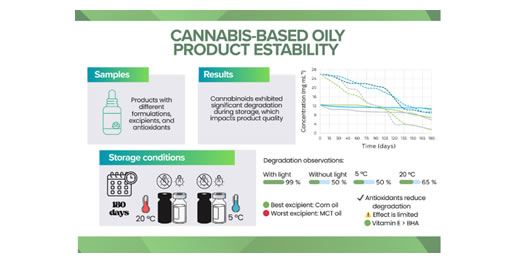
Evaluation of the Stability of Cannabidiol and delta-9-tetrahydrocannabinol in Cannabis-based Oily Product: Effects of Light, Temperature, Excipients and Antioxidant Additives

Aldo S. B. Valdez, Jeisson B. B. Castañeda, Nédice B. C. Rastely, Wagner Ferreira, Francisney P. Nascimento, Aline T. Toci

Due to the potential therapeutic effects of cannabis-based oily products and the increasing number of studies in this field, several producer associations have emerged in recent decades. Oral administration of formulations in oily excipients has been the most commonly used therapeutic route. However, the susceptibility of cannabinoids, such as delta-9-tetrahydrocannabinol (THC) and cannabidiol (CBD), to environmental factors is well known, and studies on the stability of cannabis-based oily products remain scarce. Therefore, research that supports associations in improving product quality and ensuring reliability is crucial. With these considerations, the objective of this study was to conduct a stability study of cannabis-based oil products containing CBD and THC under different storage conditions for 180 days. For the first time, the effects of temperature, light, excipients, and additives were evaluated together. Cannabinoid determination was performed using a validated HPLC-DAD methodology. Both CBD and THC were best preserved in corn and sesame oil, while medium-chain triglycerides were the worst excipient, reaching losses of 99%. Light was the most significant storage variable. In all samples, regardless of any other variable, the highest degradation rates were observed in the presence of light, for both CBD and THC. However, temperature exhibited less uniform behavior compared to light. Overall, the highest THC degradation occurred at 20 °C. The presence of antioxidants was not effective as expected. In sesame oil, lower degradation percentages of up to 10% were observed in samples containing butylhydroxyanisole. Regarding vitamin E, in general, the degradation rate was 2 to 11% and 3 to 22% lower than in samples without the vitamin, for CBD and THC, respectively. The addition of antioxidants shows promise but requires further study.

Read more

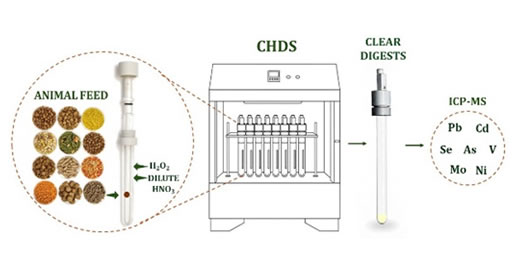
Evaluation of Closed-Vessel Conductively-Heated Digestion System with Diluted Acid for Analysis of Animal Feed by ICP-MS

Rayane C.V. Costa, Edilene C. Ferreira, Alex Virgílio, Elisabete A. De Nadai Fernandes, José A. Gomes Neto

A conductively-heated digestion system (CHDS) with closed-vessel and diluted acid was evaluated for the preparation of animal feed for subsequent determination of As, Cd, Mo, Ni, Pb, Se and V by Inductively Coupled Plasma Mass Spectrometry (ICP-MS). The analytical performance of the digestor was checked by analyzing fish tissue, tuna and corn bran certified reference materials (CRMs) using 1 mL of 30% (w w-1) hydrogen peroxide plus 2 mL of nitric acid at 14, 7 and 3.5 mol L-1 HNO3. The recoveries of analytes in CRMs digested at different acid concentrations varied from 80 – 116% (3.5 mol L⁻¹ HNO₃) 86 – 118% (7 mol L⁻¹ HNO₃) and 80 – 123% (14 mol L⁻¹ HNO₃). The method was applied to real animal feed samples, and the CHDS results were like those of comparative microwave digestion (MWD). Quantification limits of analytes found by CHDS and MWD were also similar, concerning different acid concentrations. However, the use of diluted nitric acid in the preparation of animal feed samples proved to be a viable and efficient approach, allowing lower residual acidity, reduction in reagent consumption and acid waste generation, in accordance with the principles of Green Chemistry.

Read more

Feature

Science and Technology in Focus: Pittcon 2026 Concludes Historic Edition in Texas with a Focus on AI and Sustainability

Pittcon 2026, one of the world’s largest conferences dedicated to laboratory science and analytical instrumentation, was held from March 7 to 11 at the Henry B. González Convention Center in Texas, bringing together thousands of researchers, academics, and industrial leaders. The central themes of discussions and product launches revolved around workflow automation, laboratory sustainability, and the integration of Artificial Intelligence into chemistry. With 45 short courses, 375 speakers, 1,200 presentations, and 500 exhibitors, Pittcon 2026 undoubtedly offered something for every scientist and researcher

Read more

Sponsor Technical Applications and Instrumentation Updates

The content in this section is the sole responsibility of the sponsors

Sponsor Reports

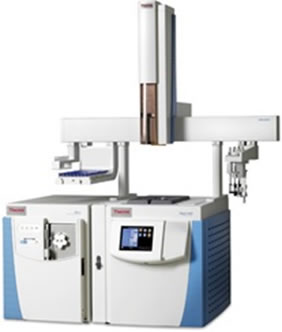
Optimized GC-MS solution for semivolatiles (SVOC) analysis in environmental samples in compliance with the U.S. EPA Method 8270D

Richard Law,¹ Cristian Cojocariu,¹ Daniela Cavagnino²

¹Thermo Fisher Scientific, UK; ²Thermo Fisher Scientific, Milan, Italy

This application note shows how the Thermo Scientific™ ISQ™ 7000 single quadrupole GC-MS system can meet Method 8270D requirements with the extended dynamic range detection system. The working method range was shown to be 0.2–200 ppm using the same column.

Read more

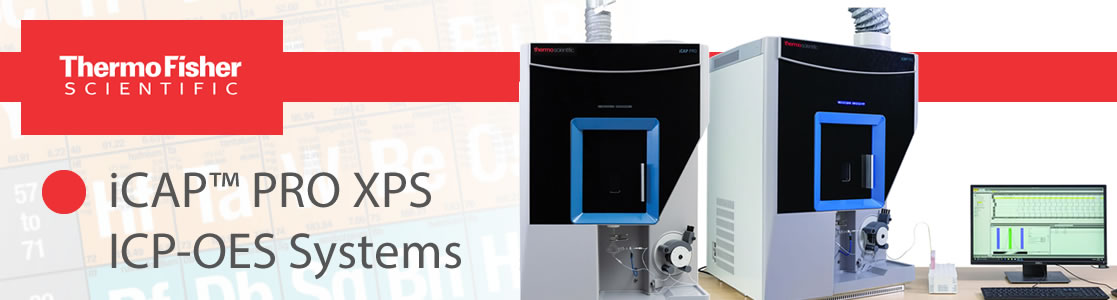
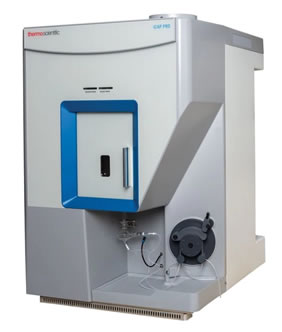
Robust single method determination of major and trace elements in foodstuffs using the Thermo Scientific iCAP PRO X Duo ICP-OES

Nora Bartsch

Application Specialist, Thermo Fisher Scientific, Bremen, Germany

Goal: This application note demonstrates the ability of the Thermo Scientific™ iCAP™ PRO Series ICP-OES to determine trace elements and major components in foodstuffs to comply with regulations.

Read more

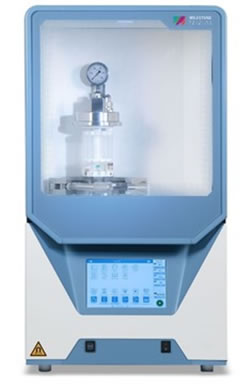
Simplifying Mixed-Food Microwave Sample Preparation for ICP-MS Analysis

Utilizing Single Reaction Chamber (SRC) Technology for Trace Metals Analysis for Food Samples

Milestone

This article describes the selection of critical factors used in the optimization and simplification of food and mixed-batch food microwave digestion.

Read more

Sponsor Releases

ISQ™ 7610 Single Quadrupole GC-MS

Thermo Scientific

Produce results more rapidly and experience unstoppable efficiency in your analysis with the Thermo Scientific™ ISQ™ 7610 Single Quadrupole GC-MS system. Simplified operation, automated workflows, and extended dynamic range deliver consistent results from system to system in every laboratory.

Read more

Perform like a PRO

Thermo Scientific

Thermo Scientific™ iCAP™ PRO X ICP-OES system delivers Simplicity, Speed and Robustness. This system combines powerful multi-element capability with flexibility, so your lab is ready for any challenge. Produce consistent, reliable data quickly and easily. Experience enhanced sample throughput, matrix tolerance, and flexibility to produce results you can trust.

Read more

ultraWAVE 3 Taking Productivity and Performance to New Heights

Milestone

The new Milestone ultraWAVE 3 is the latest generation of SRC technology that further elevates the value of this technology for elemental analysis in terms of performance, time, workflow, and cost of ownership.

Read more

Releases

Pittcon Conference & Expo

Pittcon is a friendly, welcoming environment where analytical chemists at all professional levels meet. Pittcon is a platform for sharing ideas and cooperating to form new ones. At Pittcon, you will find that spark that drives your research, your career, and above all, your scientific perspective forward.

Read more

SelectScience Pioneers online Communication and Promotes Scientific Success

SelectScience informs through trusted lab product reviews, virtual events, thought-leading webinars, features on hot scientific topics, eBooks and more, independent online publisher SelectScience® provides scientists across the world with vital information about the best products and techniques to use in their work.

Read more

CHROMacademy is the leading provider of eLearning for analytical science

For over 10 years, CHROMacademy has increased knowledge, efficiency and productivity across all applications of chromatography.

Read more