

Volume: 13

Issue: 51

Contents:

This is a Special Issue of BrJAC dedicated to the 8th Uruguayan Congress of Analytical Chemistry (CUQA 8). It includes an Editorial by Prof. Ignacio Machado and Prof. Lucía Pareja (Universidad de la República—Udelar, Uruguay), an Interview with Prof. Eduardo Dellacassa (Udelar), a Point of View by Prof. Eduardo Méndez (Udelar), a Letter by Prof. Ignacio Machado and Prof. Lucía Pareja (Udelar), four research articles and one technical note. Readers will also find features on the CUQA 8 and the 8th EspeQBrasil & 17th RSAS, sponsor reports and releases, book notices, and a calendar of events.

Read more

Editorial


Special Issue CUQA 8

Prof. Ignacio Machado and Prof. Lucía Pareja
Universidad de la República, Uruguay

"This Special Issue celebrates the vitality, diversity, and scientific maturity of the Analytical Chemistry community in Uruguay and the Southern Cone. … We wish all readers an inspiring and enriching reading experience."

Read more

Interview


Professor Eduardo Dellacassa kindly granted an interview to BrJAC

Prof. Eduardo Dellacassa
Universidad de la República, Uruguay

"In my opinion, chemistry has ceased to be a discipline and has become a tool for communication among different disciplines. From this point of view, I believe that the different options offered by chemistry education provide unique opportunities for understanding, communication, and collaboration with other areas of scientific knowledge and their applications."

Read more

Point of View


The Challenges of Nanometrology for Metallic Nanoparticles

Prof. Eduardo Méndez
Universidad de la República, Uruguay

"…Without reliable measurements, the production of nanoparticles would be impossible, with a clear impact on their quality, the necessary government oversight, and, importantly, the public's understanding of this new industrial revolution... nanometrology presents an exciting challenge for the analytical community…"

Read more

Letter


Artificial Intelligence: A Transformative Ally in Analytical Chemistry

Prof. Ignacio Machado and Prof. Lucía Pareja
Universidad de la República, Uruguay


"…The essence of analytical chemistry has always been about transforming raw data into knowledge. In this new era, artificial intelligence emerges not just as a tool, but as a collaborator in that pursuit. The challenge —and opportunity— lies in ensuring that as machines learn to think, we do not lose our capacity to question. The analytical chemist of tomorrow will not merely measure, they will also design, model, predict, and interpret. Embracing AI is not the end of analytical chemistry as we know it—it is its most exciting reinvention..."

Read more

Articles

Incidence Study of Two UV Filters (Octocrylene and Octinoxate) and the Synthetic Fragrance Galaxolide in Commercial Yellow Clam (Amarilladesma mactroides)

Belén Salvatierra, Andrés Perez-Parada, Julio Gómez, Germán Azcune

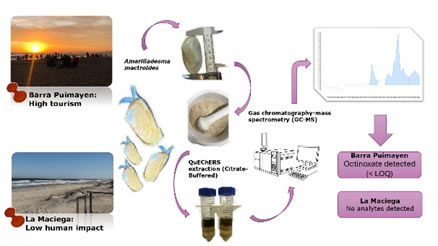
In this work, we study two UV filters (octocrylene and octinoxate) and the synthetic fragrance galaxolide in the yellow clam (Amarilladesma mactroides). Two beaches were strategically selected based on their contrasting population density, level of tourism and recreational activity. The clam samples used in this study originate from two distinct subpopulations. Samples from each beach were separated into 4 sizes (<54 mm, 55–56 mm, 57–58 mm and >59 mm); then, a modified citrate buffered QuEChERS method was used for subsequent evaluation in gas chromatography-mass spectrometry (GC-MS). The recoveries for all analytes were in the range between 70 to 102%, the RSD oscillated between 1 to 18%, and the limit of quantification was defined as the lowest recovery level with a value of 50 µg Kg-1 for all three analytes. As a result, the presence of the UV filter octinoxate was detected in the size of 55–56 mm on Barra Puimayen beach, being lower than the limit of quantification (50 µg Kg-1). However, the evaluation indicated the absence of analytes from the individuals belonging to La Maciega beach, which presents a minimal anthropogenic impact.

Read more
Development of Methods for Selenium Determination in Fish: Tools for Ecotoxicological Studies

Lucía Falchi, Juan Gularte, Fiorella Iaquinta

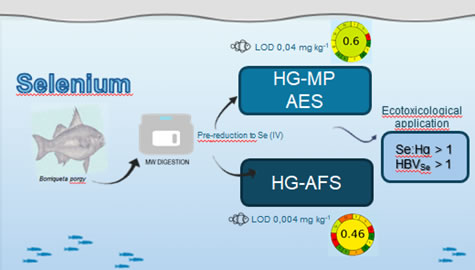
Selenium (Se) plays a significant role in many physiological processes. During the past years the role of Se has changed, from being considered toxic to the definition of being essential in almost every cell of our body. Furthermore, Se species play a role in mercury (Hg) detoxification suggesting that the protective effect of Se against Hg is related to the amount of Se available. In this work, two methods for Se determination in fish, by HG-AFS and HG-MP AES were developed. Moreover, a green analysis was applied to evaluate them. To both methods, optimization conditions were exhaustively evaluated and validated. Excellent figures of merit were obtained, with LOD of 0.04 mg kg-1 and 0.004 mg kg-1 to HG-MP AES and HG-AFS, respectively. The developed methods fit our purpose, being adequate for the determination of Se in fish and were compared in terms of accordance with the green analytical chemistry principles using AGREE metrics. The HG-MP AES method constitutes a greener alternative (0.60) than AFS (0.46). Borriqueta porgy (Boridia grossidens) fish samples from the Uruguayan coast were analyzed. The levels of Se in the samples were between 0.15 – 0.40 mg kg-1 determined by HG-MP AES and 0.13 – 0.35 mg kg-1 with HG-AFS, being the developed methods two alternatives for the Se monitoring. Finally, an ecotoxicological study was conducted to evaluate Se protection against Hg in fish tissue. All samples presented a Se:Hg molar ratio and the Selenium Health Benefit Value above 1, suggesting the protection of Se against mercury toxicity. This work presents two developed analytical methods suitable for the determination of Se in fish samples; in addition, this is the first evaluation that presents HG-MP AES for Se determination in fish. Furthermore, this work constitutes the first to determine Se in Uruguayan coast as well as the first to evaluate the Se protection against Hg in fish tissue.

Read more

Low-Cost Particulate Matter Sensor in Indoor and External Classroom Environments

José H. S. Fernandes, Leonardo M. A. Ribeiro, Iêda A. Pastre, Cristina M. R. R. de Oliveira, Fernando L. Fertonani

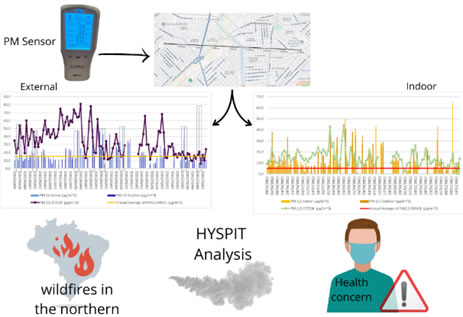
This study evaluates the concentrations of particulate matter (PM10 and PM2.5) in indoor and outdoor university classrooms using a low-cost particulate matter sensor. Measurements were conducted hourly, daily, and annually in a closed, air-conditioned classroom at the Institute of Biosciences, Letters and Exact Sciences (Ibilce) of São Paulo State University (UNESP) throughout 2022. Results revealed that PM10 levels consistently exceeded the World Health Organization's (WHO) annual guideline of 15 µg/m³, aligning with local CETESB data. Meanwhile, average indoor PM2.5 concentrations (12.5 ± 11.2 µg/m³) were almost three times the annual WHO limit of 5 µg/m³. Peak values reached 43.75 µg/m³, nearly 900% above the guideline, raising significant health concerns, and the calculated hazard quotient (HQ) approached the reference threshold. Outdoor PM2.5 concentrations showed similar trends, with multiple peaks surpassing recommended thresholds. The Hybrid Single‐Particle Lagrangian Integrated Trajectory (HYSPLIT) analysis linked high PM levels to wildfires in central and northern Brazil and localized factors, including vehicle traffic and classroom maintenance. Statistical analysis revealed no significant difference between indoor and outdoor PM2.5 levels, emphasizing the influence of external pollution on indoor air quality. These findings show the urgency of implementing targeted interventions, such as regular cleaning of classrooms, curtains, and air conditioning systems, to mitigate PM exposure. The study highlights the need for improved air quality management to ensure a safe learning environment for students and faculty.

Read more

Evaluation of Calendula officinalis Extract as a Functionalization Agent for Gold Nanoparticles: Comprehensive Multi-Technique Analytical Characterization and its use as a Dye-Sensitized Solar Cell Sensitizer

Mauricio Ávila, Hiroyuki Kinoshita, Pablo Fagúndez, María Fernanda Cerdá

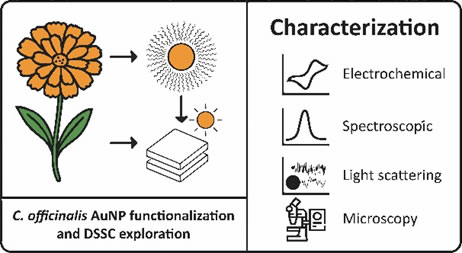
Calendula officinalis extract was evaluated as a functionalization agent for gold nanoparticles (AuNPs). The resulting nanoconjugate (AuNP-Cale) was thoroughly characterized and explored as a sensitizer for dye-sensitized solar cells (DSSC). As a starting point, citrate-reduced AuNPs (AuNP-Cit) were synthesized and fully characterized. Comprehensive characterization for both AuNP-Cit and AuNP-Cale included dynamic light scattering (DLS), electrophoretic light scattering (ELS), colloidal and stability assay. Successful functionalization included increased hydrodynamic diameter, reduced zeta potential, and improved colloidal stability. DSSC evaluation demonstrated that while pre-formed AuNP-Cale did not enhance efficiency, improved performance was achieved when AuNP-Cit was added sequentially after the extract on the TiO2 electrode, likely due to better electrode coverage. This result correlated with enhanced light absorption (FORS) and favorable EIS parameters.

Read more

Technical Note: Risk-Based Selection of Active Pharmaceutical Ingredients in the Development of HPLC and NIR Methods for Pediatric Preparations

Juan Barbagelata, Ana Vidarte, Ana Ochoa, Mariela Pistón

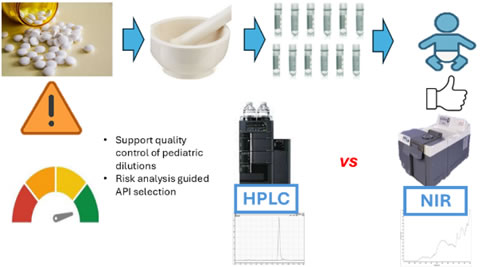
The lack of appropriate formulations for the pediatric population often requires the manipulation of adult dosage forms in hospital settings, a practice that can lead to errors that impact patient safety. This study aimed to support the quality control of pediatric preparations by developing and validating analytical methods for the quantification of active pharmaceutical ingredients (APIs) in the tablets used for their elaboration. Folic acid and phenobarbital were selected based on a risk analysis as the priority APIs to work with. High-performance liquid chromatography (HPLC) and Near-infrared (NIR) spectroscopy methods for the quantification of these APIs in commercially available products were developed and validated. NIR methods are presented as a rapid and non-destructive alternative that offers the possibility of determining the content of the same tablets that will be used to prepare the pediatric dilution. This could be considered as a promising analytical tool for drug quality control during the elaboration process of these preparations.

Read more

Features

8th Uruguayan Congress of Analytical Chemistry (CUQA 8)

Since its first edition in 2009, CUQA has traditionally taken place every two years. The main goal of CUQA is to present and discuss the latest advances in Analytical Chemistry developed in Uruguay and across the region. The 8th edition, held from October 13–15 in Montevideo, Uruguay, featured a broad range of topics, including automation in analytical chemistry, bioanalytical chemistry, education in analytical chemistry, analytical nanosystems, environmental analytical chemistry, food analytical chemistry, pharmaceutical analytical chemistry, toxicological analytical chemistry, and electroanalytical chemistry.

Read more

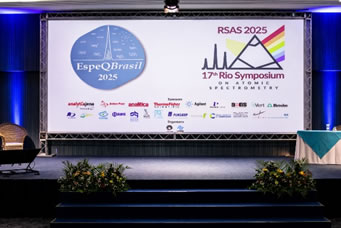
8th EspeQBrasil and 17th RSAS Bring Together Researchers in São Pedro (SP) 

The 8th Brazilian Meeting on Chemical Speciation (EspeQBrasil) and the 17th Rio Symposium on Atomic Spectrometry (RSAS), both biennial events, brought together experts in chemical speciation and atomic spectrometry to discuss scientific advances, technological innovation, and collaboration between academia and the productive sector. The events took place jointly from November 16 to 21, 2025

Read more

Sponsor Technical Applications and Instrumentation Updates

The content in this section is the sole responsibility of the sponsors

Sponsor Reports

Trace analysis of epichlorohydrin in drinking water using GC-MS coupled with purge and trap

Adam Ladak¹, Terry Jeffers², and Amy Nutter³
¹Thermo Fisher Scientific, UK; ²Thermo Fisher Scientific, USA; ³Teledyne LABS, Mason, OH, USA

Goal: Demonstration of an analytical method for the analysis of epichlorohydrin in drinking water down to 30 ppt using the Teledyne LABS Tekmar Lumin purge and trap (P&T) concentrator combined with the AQUATek LVA autosampler and the Thermo Scientific™ ISQ™ 7610 GC-MS for the analysis. Method linearity, method detection limit (MDL), precision, and mid-point calibration check were assessed to evaluate method performance.

Read more

Analysis of hydride-forming elements using ICP-OES

Tomoko Vincent and Bhagyesh Surekar
Thermo Fisher Scientific, Bremen, Germany

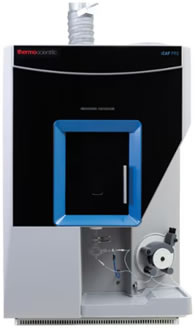
Goal: To demonstrate the performance of the Thermo Scientific™ iCAP™ PRO Series ICP-OES equipped with two different hydride generation sample introduction systems. These systems will improve sensitivity of hydride-forming elements, such as arsenic, bismuth, antimony, selenium, and mercury, over that provided by a standard sample introduction system.

Read more

Determination of Total Mercury in Environmental Samples Utilizing Direct Analysis

Milestone

Several methods are available for mercury analysis in environmental samples like waste water and soil. Most of these methods, however, require elaborate preparation procedures that are labor intensive and subsequently expensive.

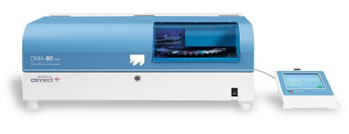
Goal: The goal of this study was to evaluate the effectiveness of the DMA-80 to analyse both soil and ground water samples – two vastly different matrices.

Read more

Sponsor Releases

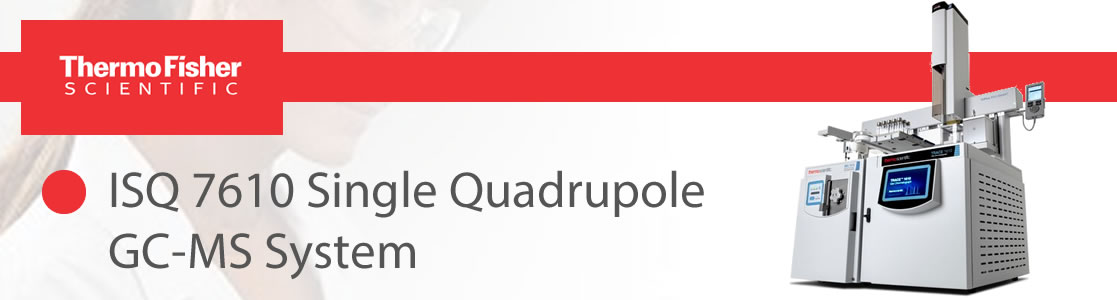
ISQ™ 7610 Single Quadrupole GC-MS

Produce results more rapidly and experience unstoppable efficiency in your analysis with the Thermo Scientific™ ISQ™ 7610 Single Quadrupole GC-MS system. Simplified operation, automated workflows, and extended dynamic range deliver consistent results from system to system in every laboratory.

Read more

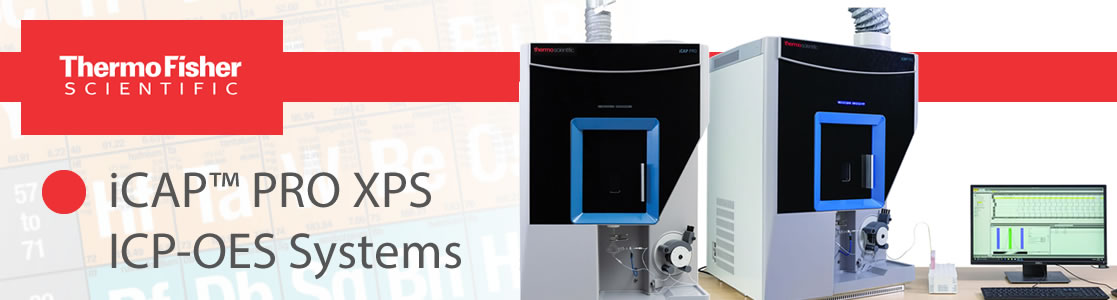
iCAP™ PRO XP ICP-OES 

Fuel your desire for robust results. Meet data requirements with extending analysis periods. The Thermo Scientific™ iCAP™ PRO XP ICP-OES is rugged on all fronts. A bench top simultaneous ICP spectrometer with a vertical torch, a purged echelle polychromator and Charge Injection Device (CID) array detector.

Read more


Save Time. Go Direct for Mercury Analysis

The Milestone DMA-80 has been at the forefront of direct total mercury analysis for almost two decades. The DMA-80 system can analyze any matrix (solid, liquid or gas) without any pre-treatment or chemical additions in as few as 6 minutes in full compliance with EPA method 7473.

Read more

Releases

Pittcon Conference & Expo

Pittcon is a friendly, welcoming environment where analytical chemists at all professional levels meet. Pittcon is a platform for sharing ideas and cooperating to form new ones. At Pittcon, you will find that spark that drives your research, your career, and above all, your scientific perspective forward.

Read more

SelectScience® Pioneers online Communication and Promotes Scientific Success

SelectScience® informs through trusted lab product reviews, virtual events, thought-leading webinars, features on hot scientific topics, eBooks and more, independent online publisher SelectScience® provides scientists across the world with vital information about the best products and techniques to use in their work.

Read more

CHROMacademy is the leading provider of eLearning for analytical science

For over 10 years, CHROMacademy has increased knowledge, efficiency and productivity across all applications of chromatography.

Read more

BrJAC – Brazilian Journal of Analytical Chemistry